Everyone loves a green garden and lawn, and it’s no secret why: Who doesn’t enjoy walking barefoot on lush grass?
A garden filled with beautiful flowers and plants can help the environment and give you a better appreciation of nature. However, gardens and lawns can take a serious hit when droughts occur.
What Are Droughts?
According to the National Resource Defense Council, droughts are caused by long periods of dry conditions and result in a water shortage. In the direst circumstances, droughts can cause rivers and lakes to shrink or dry up entirely. Of course, every area has a different average rainfall and different technical definitions of drought. Although droughts can occur naturally, they are becoming more frequent and lasting longer than ever before as our climate changes.
Drought-stricken areas often institute watering restrictions to conserve water. The average household spends 30% of their water usage to maintain their lawn and garden, but in dry conditions, that can shoot up to 70%. When water restrictions are in place, an unprepared garden might suffer. Sound worrying? There’s good news. With drought preparedness, the best offense is a good defense. There are plenty of small Eco Actions you can take to make sure that your garden is ready to handle any droughts that might come your way.
How Can I Prepare My Lawn and Garden for Drought?
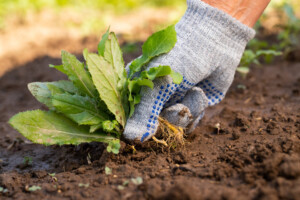 Weed your garden and lawn. In conditions where every drop of water is precious, weeds are muscling in, taking vital nutrients and moisture from the plants that need them more. Keep up your weeding regimen to make sure your plants get as much water as they need.
- Mulch. Mulching your ground is a great way to keep the ground around your lawn and garden cooler, preventing water from evaporating from the soil and keeping those pesky weeds away. It’s also useful for preventing soil erosion when the rains come.
- Choose native and drought-tolerant plants. These plants don’t have to get ready for droughts. Because of the conditions in their native habitats, they require less water and aren’t hit as hard as other plants. Drought-tolerant plants will keep your garden beautiful regardless of the conditions. If you wanted to take this a step further, you could invest in xeriscaping, or planting to use as little water as possible. This Home Depot article has more information.
- Let your lawn go brown. It might not be picture-perfect, but a brown lawn during a drought isn’t out of the ordinary. Once the drought ends, it will return to its normal green color.
- Install a rain barrel. Storing rainwater will let you water your lawn and garden without drawing on the existing water supply or violating watering restrictions. Not sure how to work a rain barrel? We’ve got a tutorial right here to show you the way.
- Use WaterSense® products to save water. Luckily, our Eco Actions Partners make many products that can help save water while keeping your lawn and garden hydrated during drought conditions. Smart sprinklers are able to check weather forecasts and modify your watering schedule accordingly. Your conservation doesn’t have to stop once you’re out of the garden, either. You can also help by switching out your faucets, showerheads and toilets to conserve more water as well. You can check out our page on Extreme Heat and Drought for more ideas.
As we work together to help the climate through our Eco Actions that are supported by better products, you can rest assured that droughts may be a bit intimidating, but with these tips, we hope you and your garden will be ready to handle any dry conditions with ease.